
History
Background
KwaMashu is a 25 km north of Durban township, it belongs to a region known as INK (Inanda -Ntuzuma -KwaMashu).
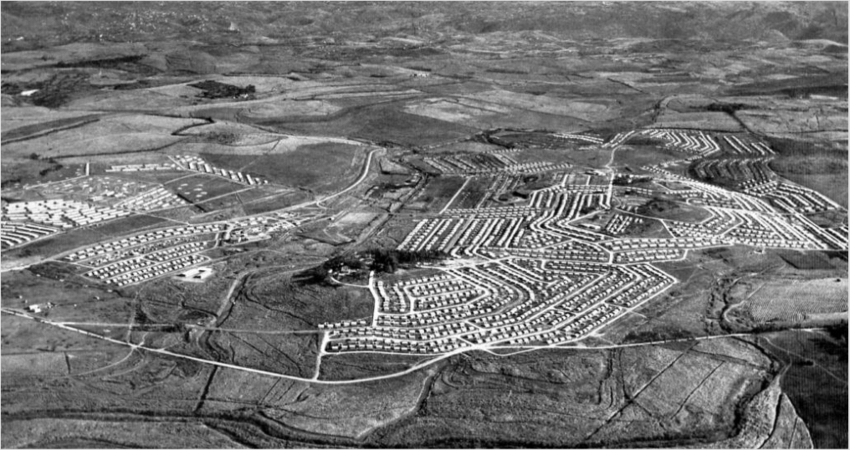
It was a plantation of sugar-cane. It derives its name through the Zulu translation of the word Marshall which means the place of Marshall.
He was also a member of the Legislative Assembly of Natal colony, which is now a part of KwaZulu-Natal.
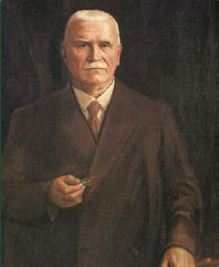
Marshall is the father of the late, Dr. Killie Campbell (Margaret Roach Killie Campbell). Dr. Campbell was a close friend of the Zulu, in KwaMashu.
Origins of The Town Centre Project
South Africa started restructuring local government in the mid 1990s.
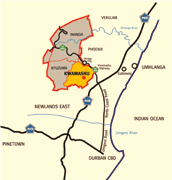
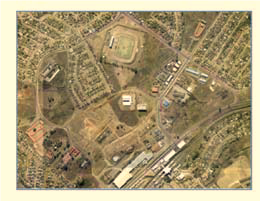
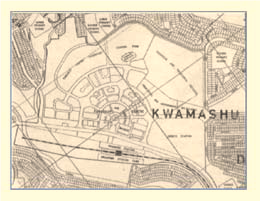
The political violence in the 1980s of the twentieth century was particularly high in the northern provinces. The eThekwini Municipality owned the land legally in accordance with the agreement with the Department of provincial and local government.
Context at project commencement
The township administration had virtually collapsed. KwaMashu was an R293 township1 of the former ‘homeland’ of KwaZulu that had been incorporated into Durban after the advent of democracy in 1994.
Newly incorporated areas like KwaMashu fell outside city policy and strategic planning frameworks, and the administration was not functional. The eThekwini integrated development plan provided some guidance, but only at a strategic policy level. There was a lack of good information on population, property, income and socioeconomic trends.
There were some 10ha of vacant land in the town centre owned by the state and devolved to the municipality.2 There was no private ownership of land – some 25 per cent of the land was held in terms of deeds of grant, which in effect are longterm leases. The lack of private ownership provided a strong disincentive for property improvement of any kind.

AI Content Analysis
This content has been analyzed for AI generation:
- AI Probability: 0%
- Confidence:
- Last Checked: January 21, 2026